
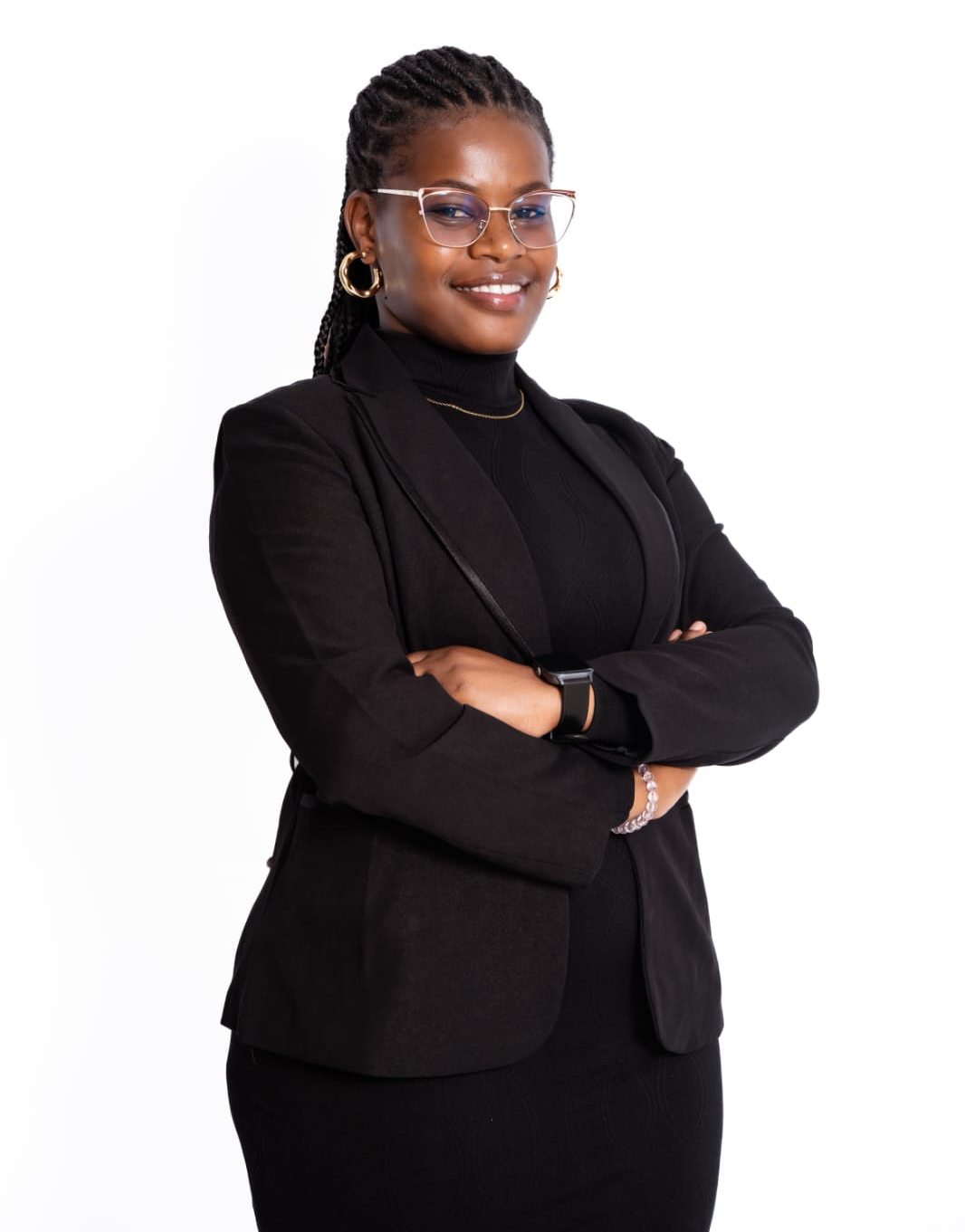
I said the Naya training would get its own post. Here it is.
Naya Health is a clinic in London. Elliot and Dan flew out to train us here in Kenya, which still surprises me. People with that much clinical experience usually just send slides.
I didn't expect the room either. I met people I'd never have crossed paths with, and a few I still talk to.
They started with the administrative side, which nobody puts on a poster but which decides whether a clinic runs properly. Then the client journey, from the first phone call to the last session, including the awkward middle stretch where people go quiet and stop booking. Then the machine itself: frequency, intensity, how long a train runs, how long you rest between trains, where the coil sits and what changes when it sits a few millimetres off.
Then the practicals, and it stopped being revision.
I'd learned all of this. I could recite the parameters back to you. What I hadn't done was any of it with a real person in the chair and a real question coming at me that wasn't in the notes.
Motor threshold is where that showed. Before you treat anybody, you find the exact intensity at which a pulse to the motor cortex makes their thumb twitch. That number sets the dose for everything after it.
In one practical we couldn't find it. We moved the coil, changed the angle, went up in intensity, checked again, and the thumb stayed where it was. In the manual it always moves.
That session ended up being the useful one.
Elliot and Dan didn't swap in an easier volunteer to keep things on time. They stayed in it and showed us how you search when the search isn't going well. What you check first. What you change after that. How to tell whether it's the coil, the anatomy, or you. And what you keep saying to the person in the chair while all this is happening, so they aren't left feeling like an experiment. We stayed with it until we had the number.
None of that is in the training material, and it comes up constantly.
What rTMS actually does
If rTMS is new to you: a coil sits against your head and sends gentle magnetic pulses into specific brain circuits. No surgery, no anaesthetic, and it isn't a drug. You sit in a chair, then carry on with your day. Over a course of sessions, circuits that have gone quiet start working the way they should. It's used for depression, anxiety and PTSD, OCD, chronic pain and fibromyalgia, fatigue and migraine.
Most people who ask me about it have already done the rounds. Therapy, then medication, then a different medication, then adjustments. Some find something that holds. Plenty don't, and they walk away believing they've used up their options. They haven't. rTMS comes at the same problem from a completely different direction, and for the people it works for, it isn't symptom management.
If that sounds like you or someone you love, message me. I'll tell you what rTMS does, what it doesn't do, and whether it's worth your time. If it isn't, I'll say so.